
 Image 1 of 3
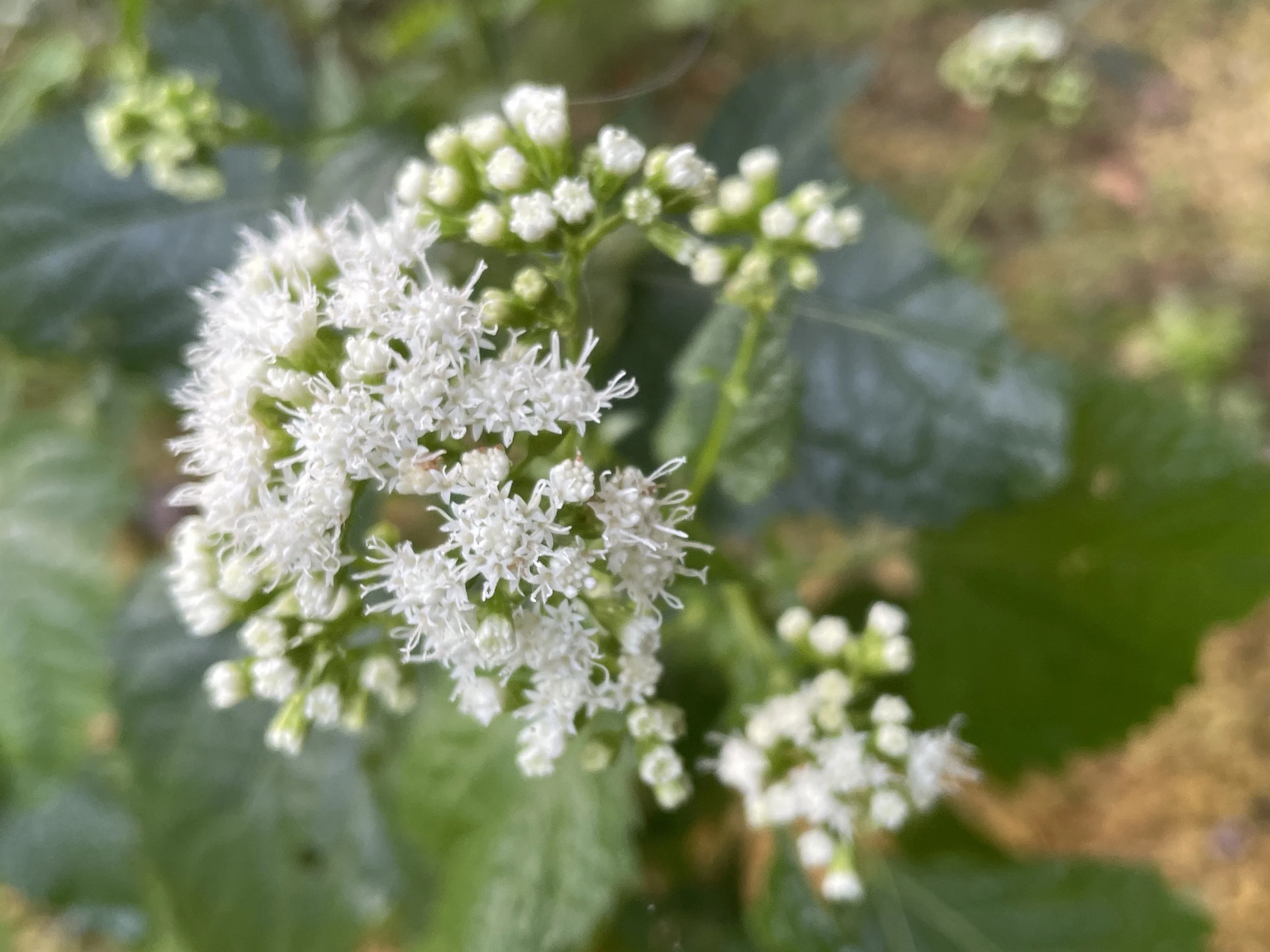 Image 2 of 3
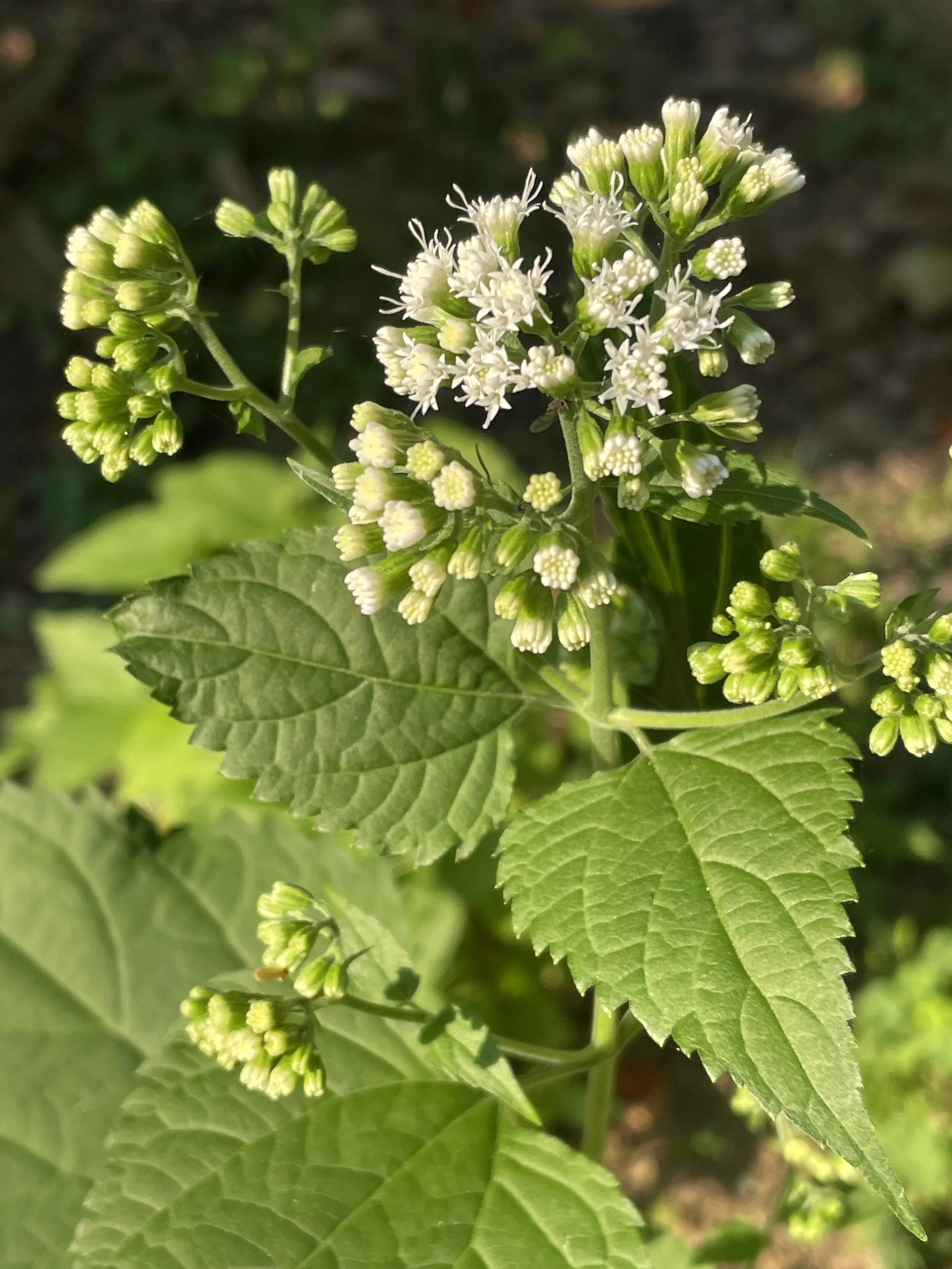 Image 3 of 3
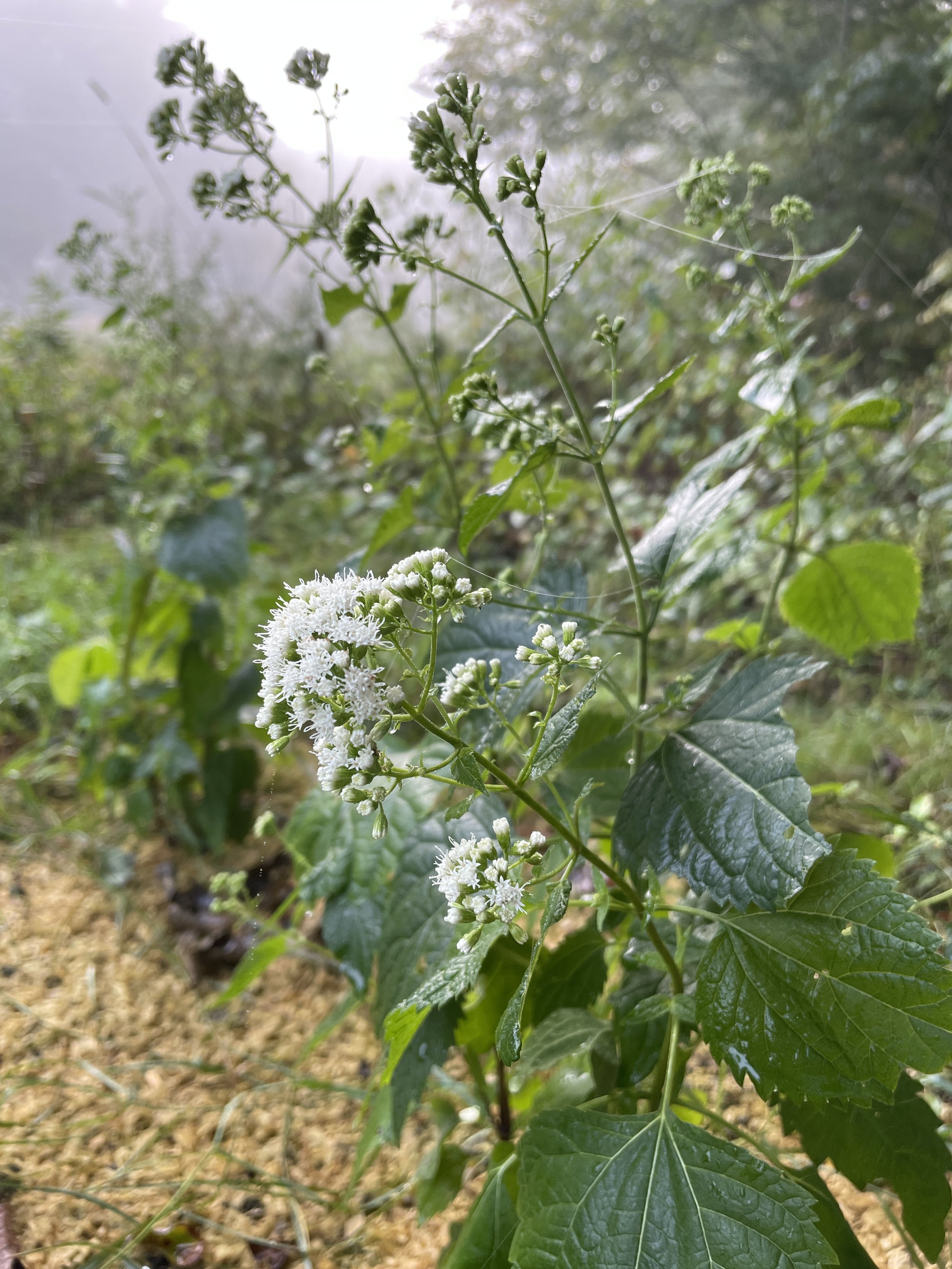
White snakeroot spreads by rhizomatous roots to form colonies and is a prolific self-seeder. Not ideal for small gardens but a great plant to introduce after the removal of invasive species. The foliage is bitter and toxic, making it deer resistant. Its nectar attracts many species of butterflies and moths, bees (including leaf-cutting bees, Halictid bees), wasps, and various flies (including Syrphid, Tachinid, bee flies and others)
“The caterpillars of some moths are known to feed on the foliage and other parts of White Snakeroot. These species include Carmenta bassiformis (Eupatorium Borer Moth), Papaipema cataphracta (Burdock Borer Moth), Phragmatobia fuliginosa (Ruby Tiger Moth), Phragmatobia lineata (Lined Ruby Tiger Moth), and the Gracillariid moth Leucospilapteryx venustella.” - Illinois Wildflowers
Native to Maine
Shade to part sun
Moist to dry soils
Grows up to 2’ tall
Blooms August to October
Self-seeding, short-lived herbaceous perennial
*Seed provenance: Wild Seed Project - grown out at Figwort Farm
White snakeroot spreads by rhizomatous roots to form colonies and is a prolific self-seeder. Not ideal for small gardens but a great plant to introduce after the removal of invasive species. The foliage is bitter and toxic, making it deer resistant. Its nectar attracts many species of butterflies and moths, bees (including leaf-cutting bees, Halictid bees), wasps, and various flies (including Syrphid, Tachinid, bee flies and others)
“The caterpillars of some moths are known to feed on the foliage and other parts of White Snakeroot. These species include Carmenta bassiformis (Eupatorium Borer Moth), Papaipema cataphracta (Burdock Borer Moth), Phragmatobia fuliginosa (Ruby Tiger Moth), Phragmatobia lineata (Lined Ruby Tiger Moth), and the Gracillariid moth Leucospilapteryx venustella.” - Illinois Wildflowers
Native to Maine
Shade to part sun
Moist to dry soils
Grows up to 2’ tall
Blooms August to October
Self-seeding, short-lived herbaceous perennial
*Seed provenance: Wild Seed Project - grown out at Figwort Farm