
 Image 1 of 3
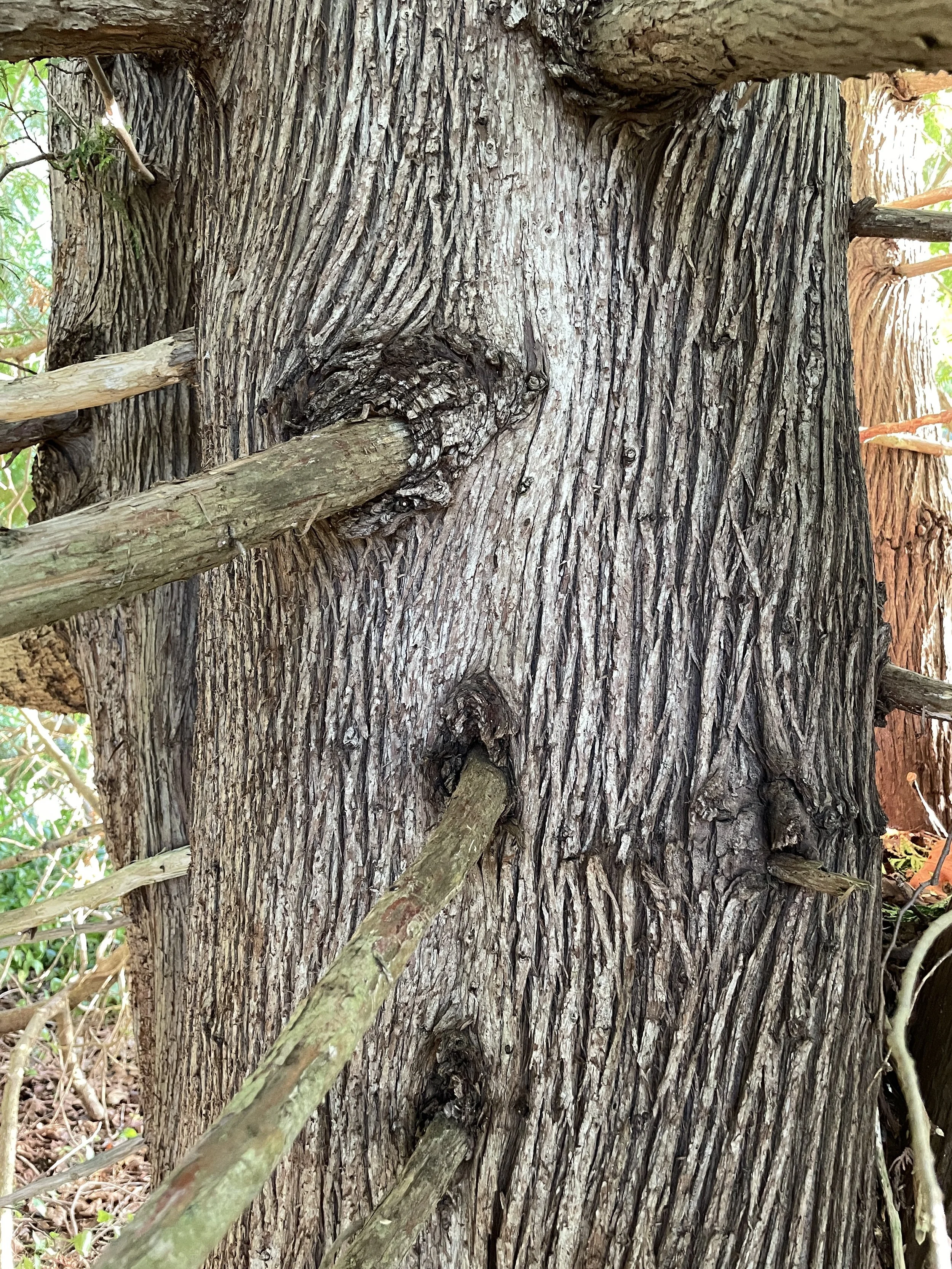 Image 2 of 3
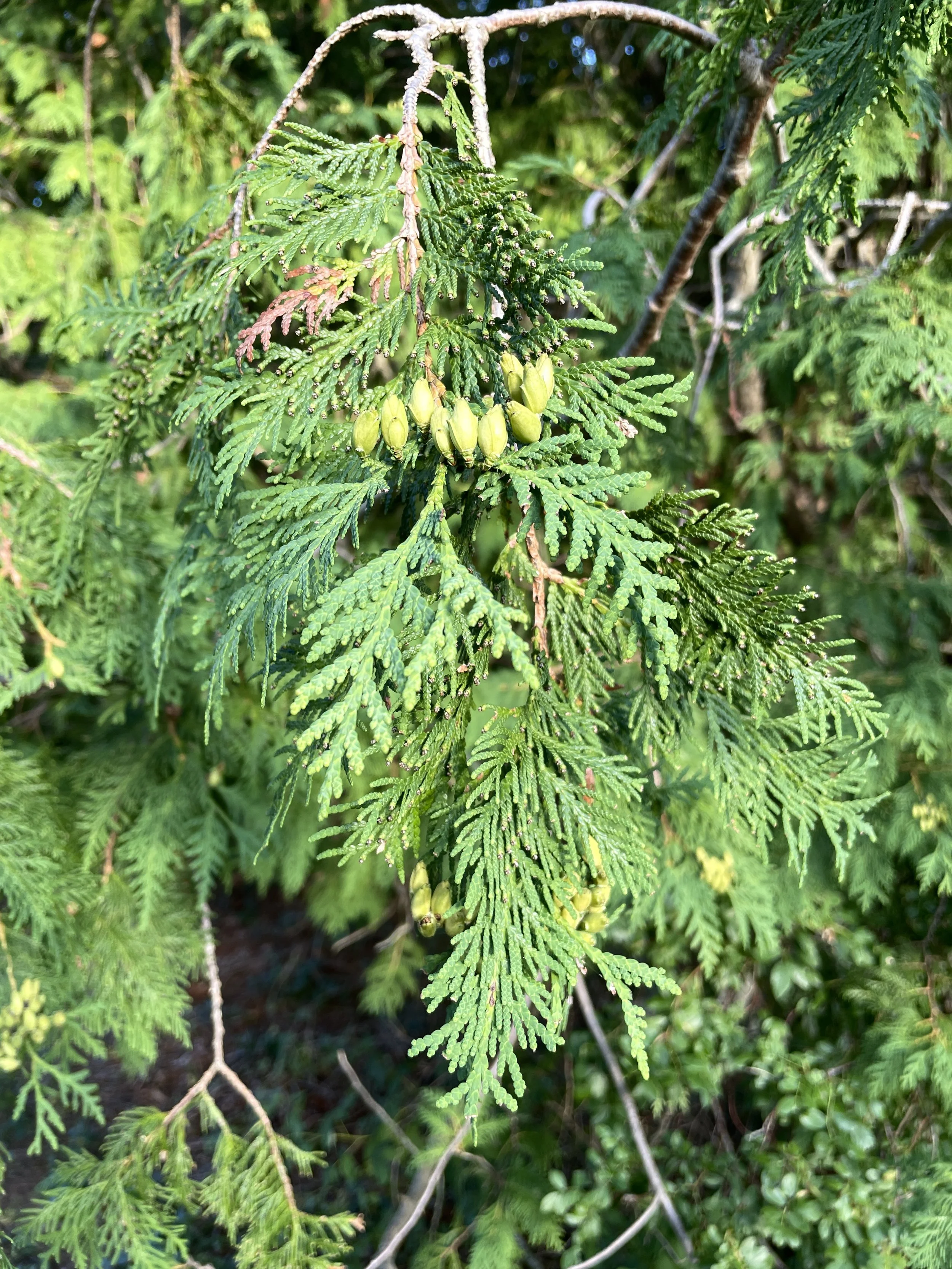 Image 3 of 3
*Please note these trees are seedlings and are about 3” tall
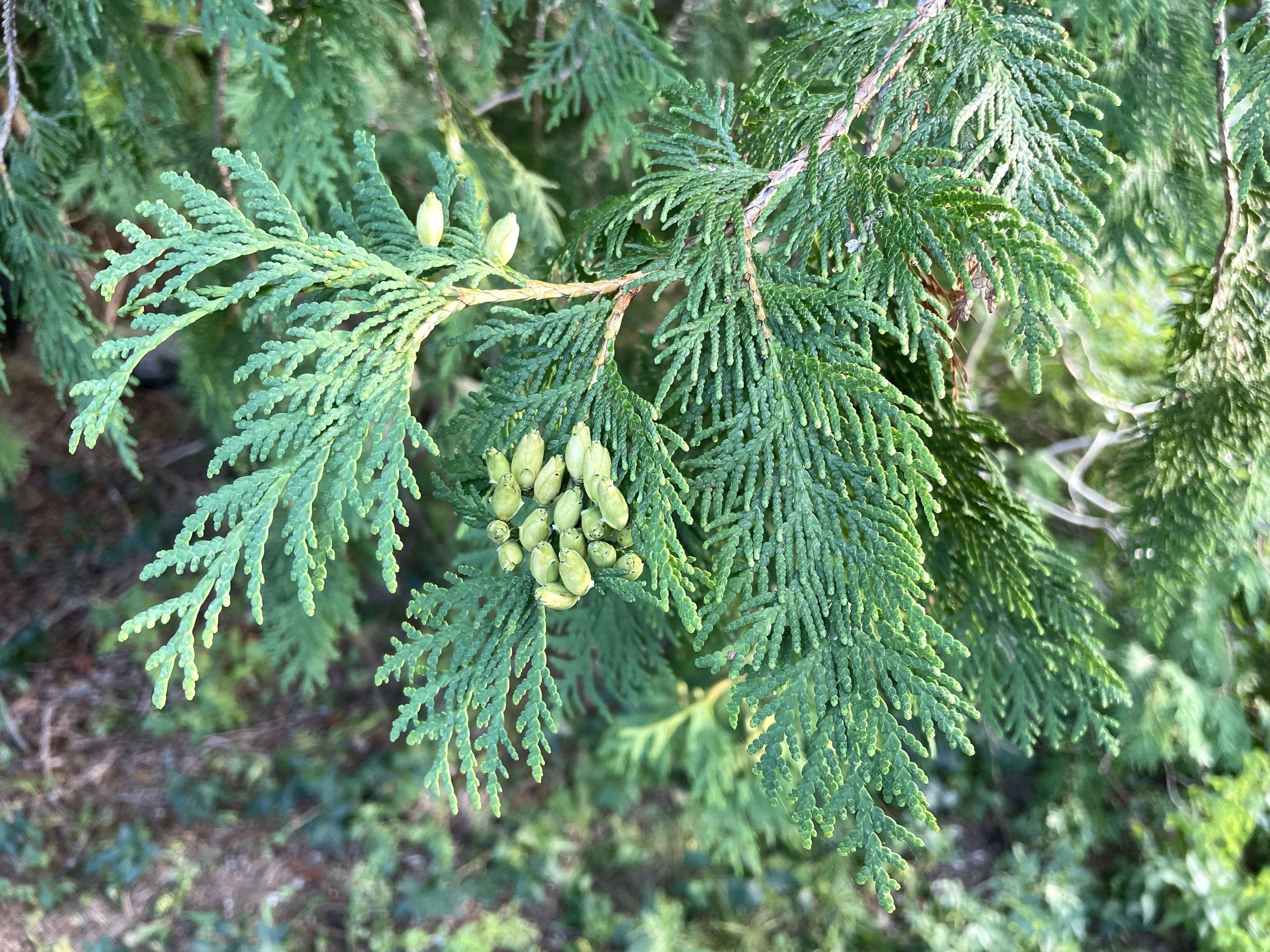
“A long-lived, medium-sized, shade-tolerant evergreen tree that grows in mixed and pure stands in the northern United States and southern Canada, from the Great Lakes to the Atlantic coast. It has scale-like foliage in flat sprays and outer bark of thin, brown vertical strips. A poor competitor, northern white-cedar is often a minor species in mixed stands but abundant in swamps and seeps and on cliffs and abandoned pastureland. Growth can be rapid in full light on uplands (Villemaire-Côté et al., 2017) but is typically slow, with trees originating as advance regeneration and experiencing multiple releases (Fraver et al., 2020; Ruel et al., 2014). Regeneration occurs sexually from seeds and asexually from layers. Seed germination and survival are best on moisture-holding substrates including mineral soil and decayed deadwood (Cornett et al., 2000a; Larouche et al., 2011). Though tolerant of periodic high water, northern white-cedar cannot withstand prolonged inundation (Chimner and Hart, 1996; Schulz et al., 2024)” - USDA Silvics of North America
Can live 200-300 years! Extremely susceptible to deer browse - be sure to protect young plants.
Native to Maine
Full sun to part shade
Moist, well-drained soils (tolerates clay, Black Walnut and urban conditions)
Grows from 20 to 40 feet tall
Spreads up to 15 feet
Coniferous tree
*Please note these trees are seedlings and are about 3” tall
“A long-lived, medium-sized, shade-tolerant evergreen tree that grows in mixed and pure stands in the northern United States and southern Canada, from the Great Lakes to the Atlantic coast. It has scale-like foliage in flat sprays and outer bark of thin, brown vertical strips. A poor competitor, northern white-cedar is often a minor species in mixed stands but abundant in swamps and seeps and on cliffs and abandoned pastureland. Growth can be rapid in full light on uplands (Villemaire-Côté et al., 2017) but is typically slow, with trees originating as advance regeneration and experiencing multiple releases (Fraver et al., 2020; Ruel et al., 2014). Regeneration occurs sexually from seeds and asexually from layers. Seed germination and survival are best on moisture-holding substrates including mineral soil and decayed deadwood (Cornett et al., 2000a; Larouche et al., 2011). Though tolerant of periodic high water, northern white-cedar cannot withstand prolonged inundation (Chimner and Hart, 1996; Schulz et al., 2024)” - USDA Silvics of North America
Can live 200-300 years! Extremely susceptible to deer browse - be sure to protect young plants.
Native to Maine
Full sun to part shade
Moist, well-drained soils (tolerates clay, Black Walnut and urban conditions)
Grows from 20 to 40 feet tall
Spreads up to 15 feet
Coniferous tree