
 Image 1 of 3
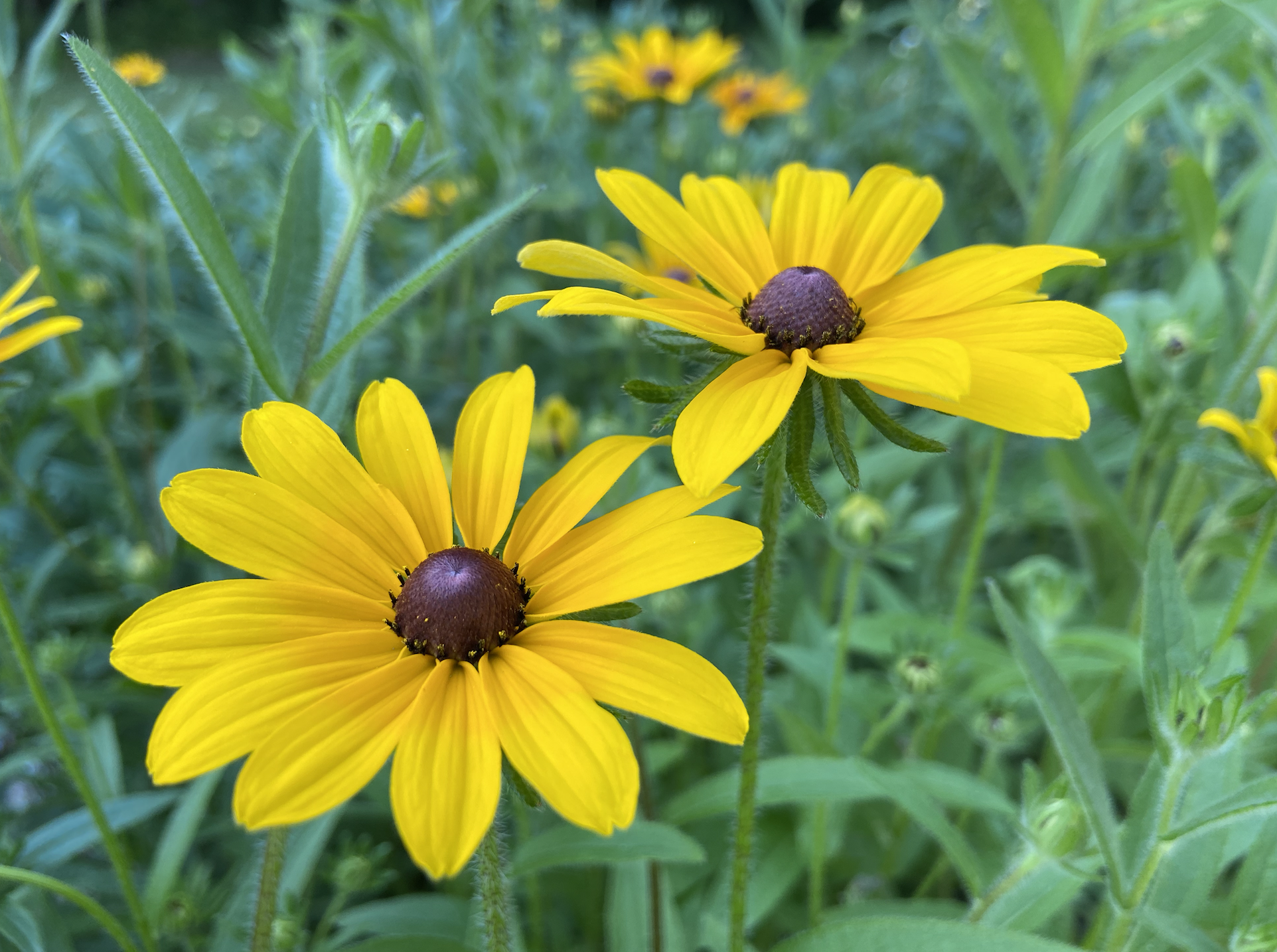 Image 2 of 3
 Image 3 of 3
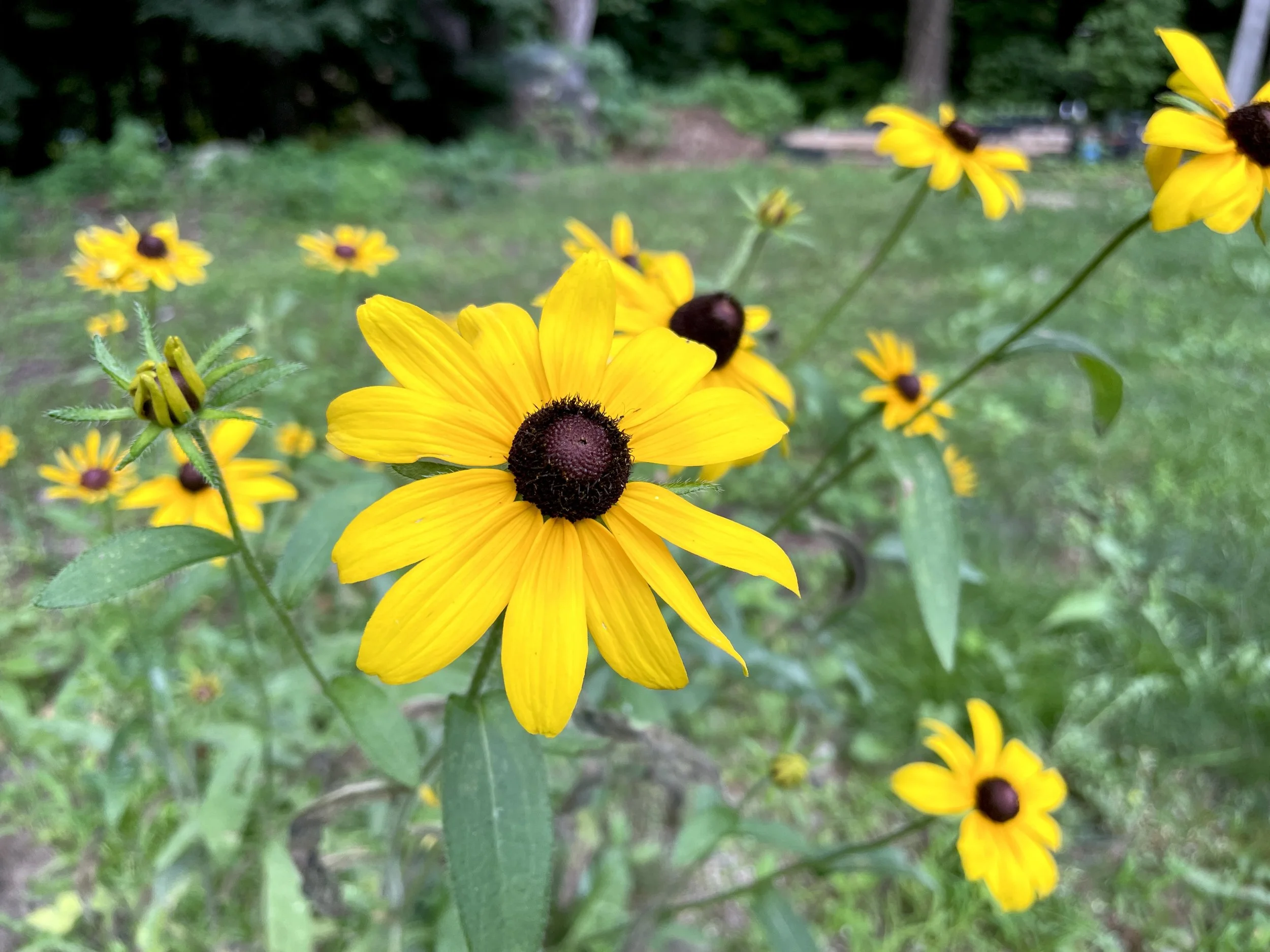
The classic pioneer species in new native plantings; they come in strong in the early years but then succumb to longer-lived perennial plants. They are prolific self-seeders, so they’ll appear in the garden for years to come. One of the larval host plants of the Silvery Checkerspot. Its bright yellow flowers attract many different butterflies, moths, and bees. This plant is of high value to pollinators. - Prairie Moon Nursery
An early successional plant that does well in poor dry soils. Birds enjoy the seeds in late fall. Does well in sunny dry urban areas.
North American native, naturalized in Maine
Full to part sun
Medium to dry soils
Height: up to 2’
Blooms July to Oct.
Self-seeding biennial or short lived perennial
The classic pioneer species in new native plantings; they come in strong in the early years but then succumb to longer-lived perennial plants. They are prolific self-seeders, so they’ll appear in the garden for years to come. One of the larval host plants of the Silvery Checkerspot. Its bright yellow flowers attract many different butterflies, moths, and bees. This plant is of high value to pollinators. - Prairie Moon Nursery
An early successional plant that does well in poor dry soils. Birds enjoy the seeds in late fall. Does well in sunny dry urban areas.
North American native, naturalized in Maine
Full to part sun
Medium to dry soils
Height: up to 2’
Blooms July to Oct.
Self-seeding biennial or short lived perennial