
 Image 1 of 3
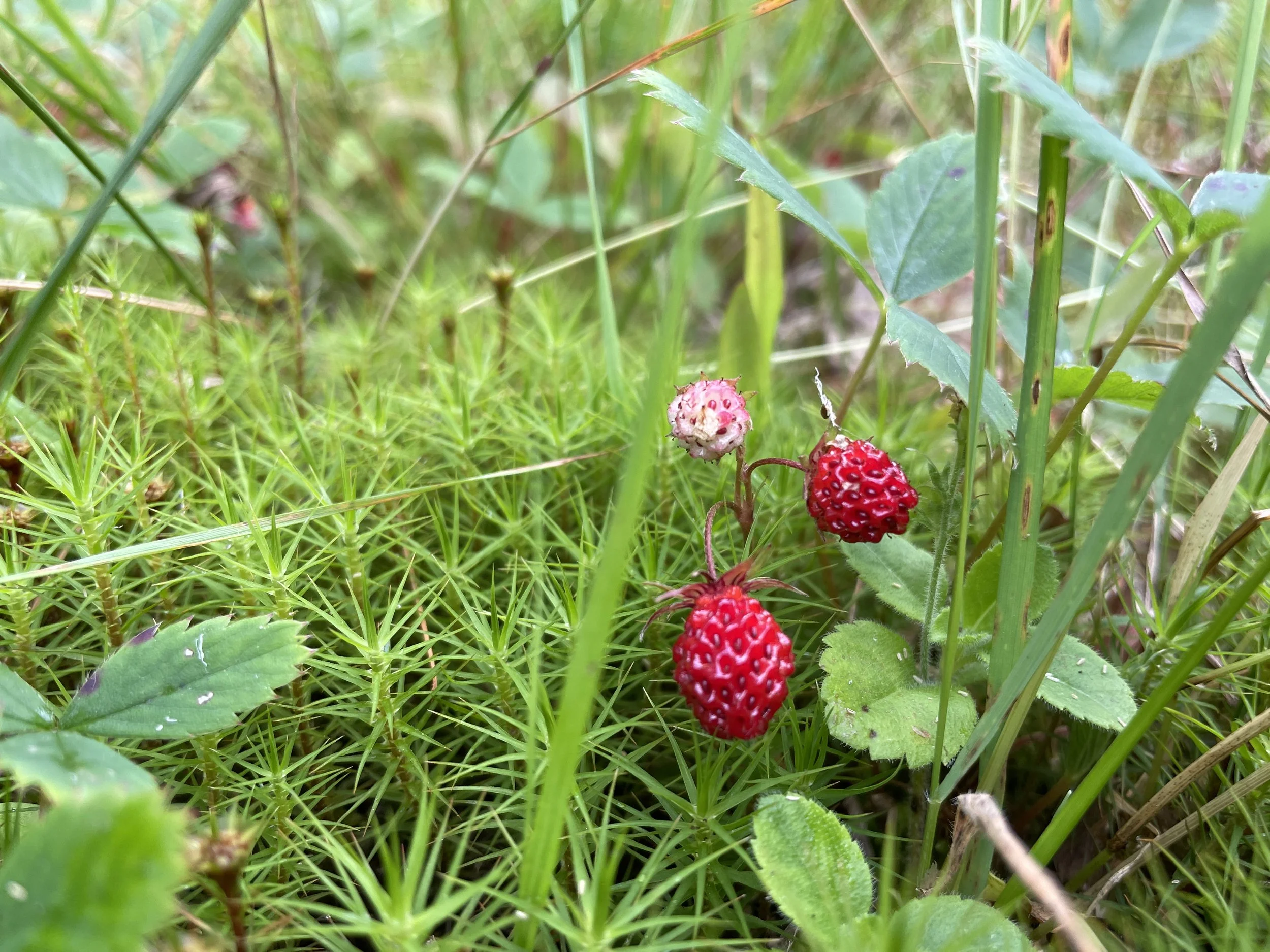 Image 2 of 3
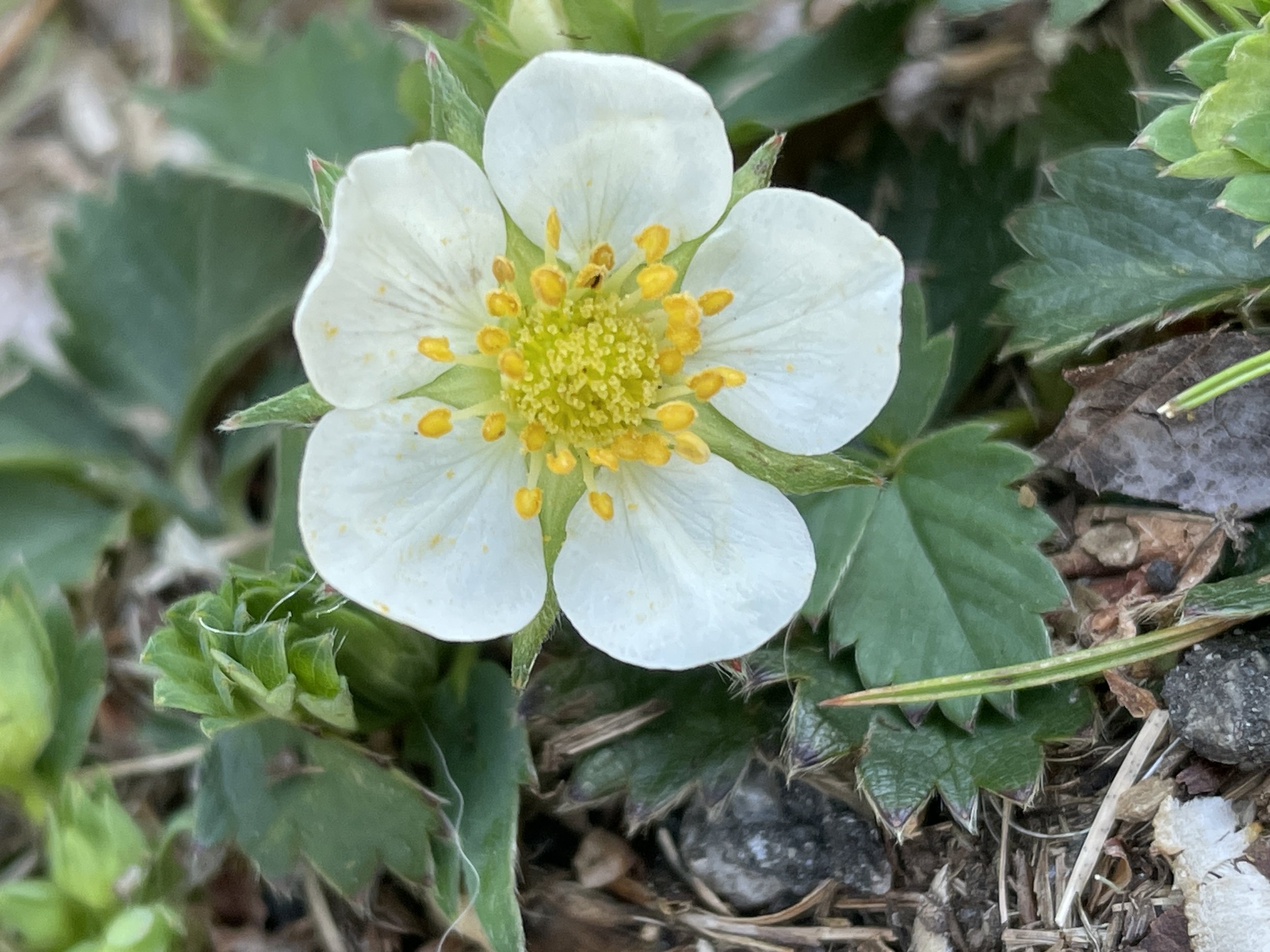 Image 3 of 3
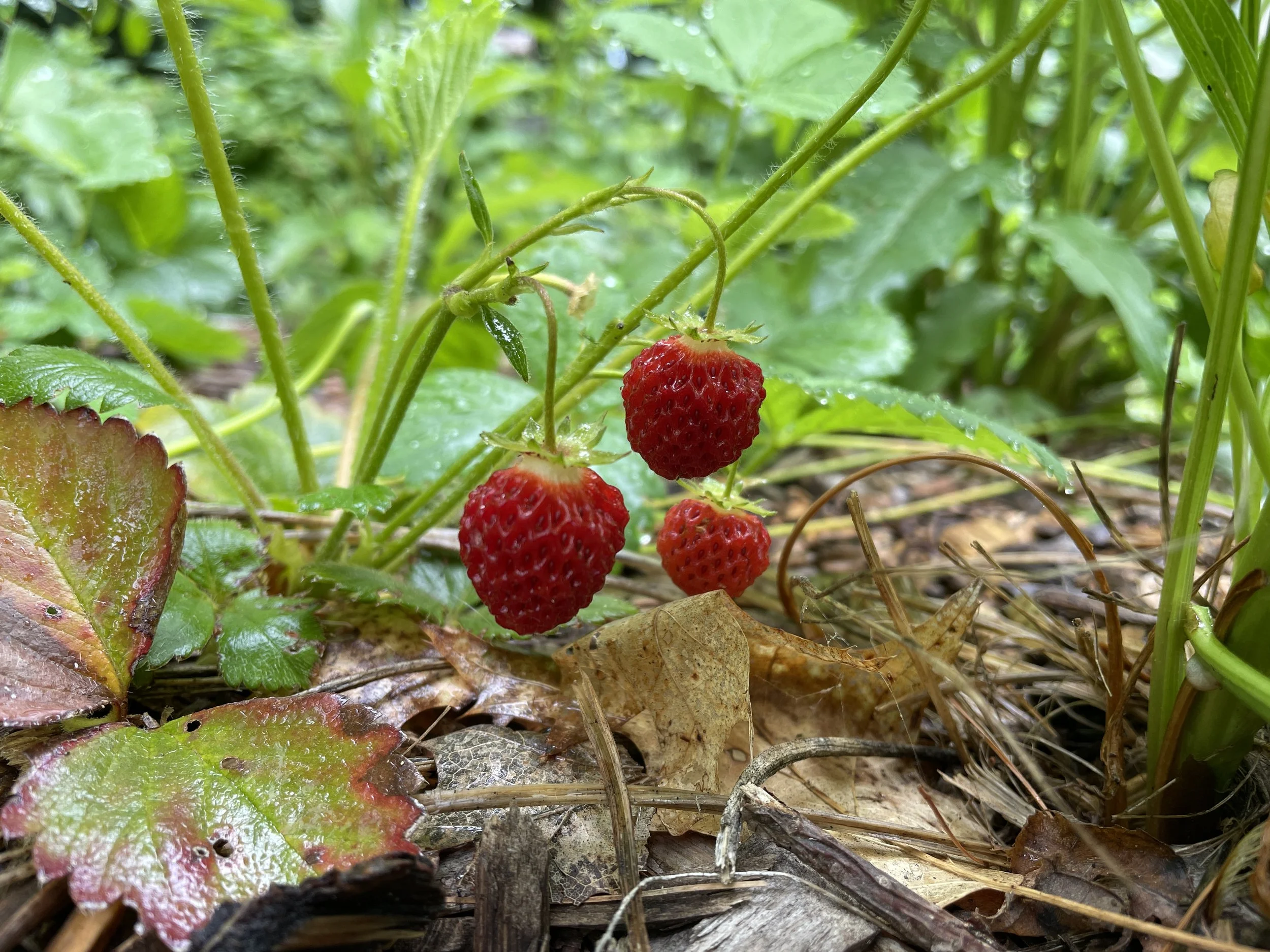
Wild strawberries are adaptable to most soil and light conditions. Small white flowers with yellow centers bloom in spring with small, bright red fruits developing by early summer. Fruits are delightfully edible! Spreads easily by runners making it an excellent living mulch or lawn alternative (can be walked on and mowed).
“For many American Indian communities strawberries represent annual spring renewal. Some Algonquian-speaking tribes feel that strawberries are symbols of thanksgiving.” -Enrique Salmón, Iwígara: The Kinship of People and Plants
Pollinators enjoy the flowers while other wildlife enjoy eating the berries. It is a larval host to the Gray hairstreak butterfly (Strymon melinus). Deer generally aren’t interested in eating the plant.
Native to Maine
Sun to shade
Dry to moist soils
Grows up to 4" tall
Blooms in April, May and June
Edible fruits ripe by early summer
Herbaceous perennial
Wild strawberries are adaptable to most soil and light conditions. Small white flowers with yellow centers bloom in spring with small, bright red fruits developing by early summer. Fruits are delightfully edible! Spreads easily by runners making it an excellent living mulch or lawn alternative (can be walked on and mowed).
“For many American Indian communities strawberries represent annual spring renewal. Some Algonquian-speaking tribes feel that strawberries are symbols of thanksgiving.” -Enrique Salmón, Iwígara: The Kinship of People and Plants
Pollinators enjoy the flowers while other wildlife enjoy eating the berries. It is a larval host to the Gray hairstreak butterfly (Strymon melinus). Deer generally aren’t interested in eating the plant.
Native to Maine
Sun to shade
Dry to moist soils
Grows up to 4" tall
Blooms in April, May and June
Edible fruits ripe by early summer
Herbaceous perennial