
 Image 1 of 3
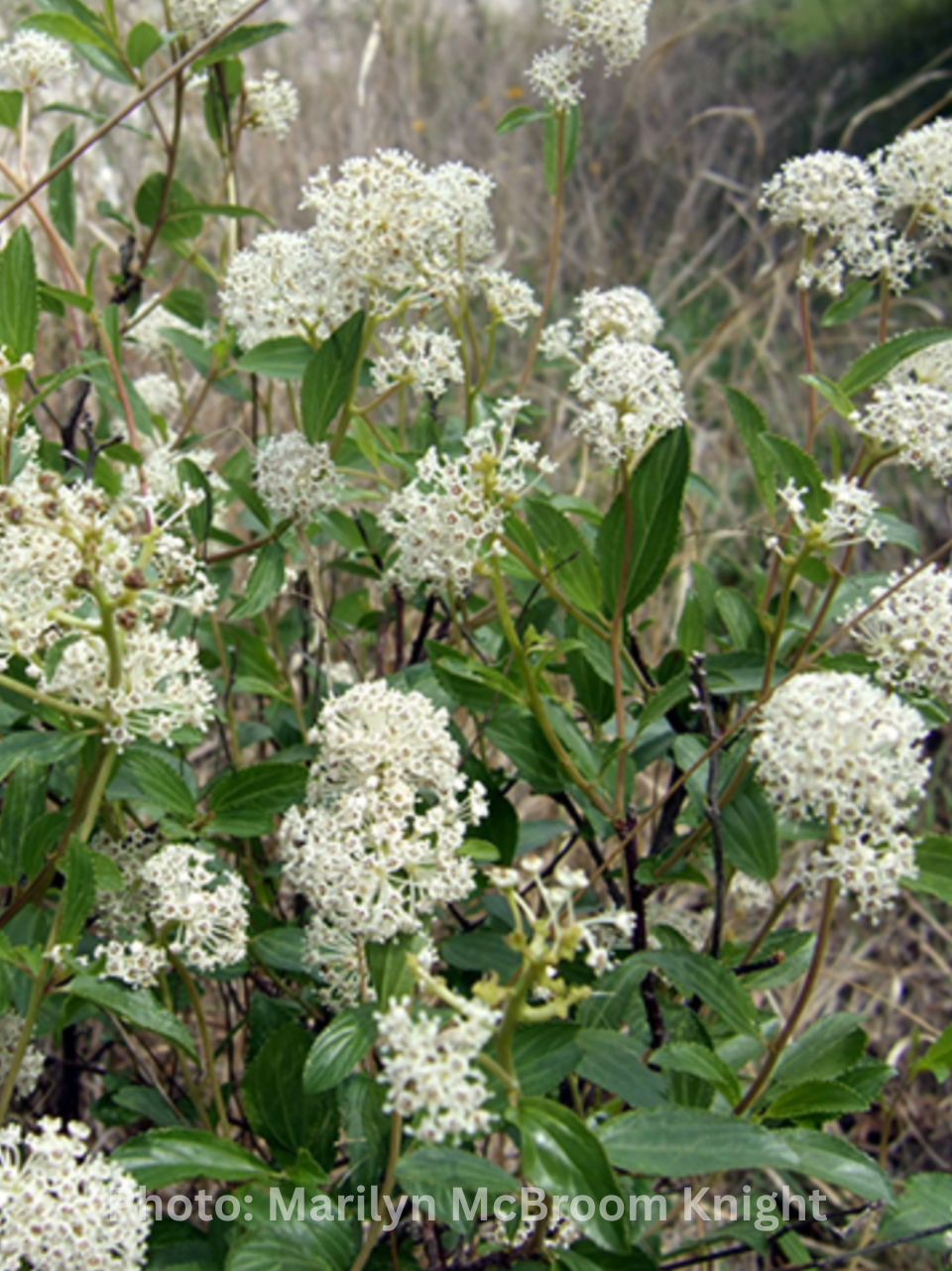 Image 2 of 3
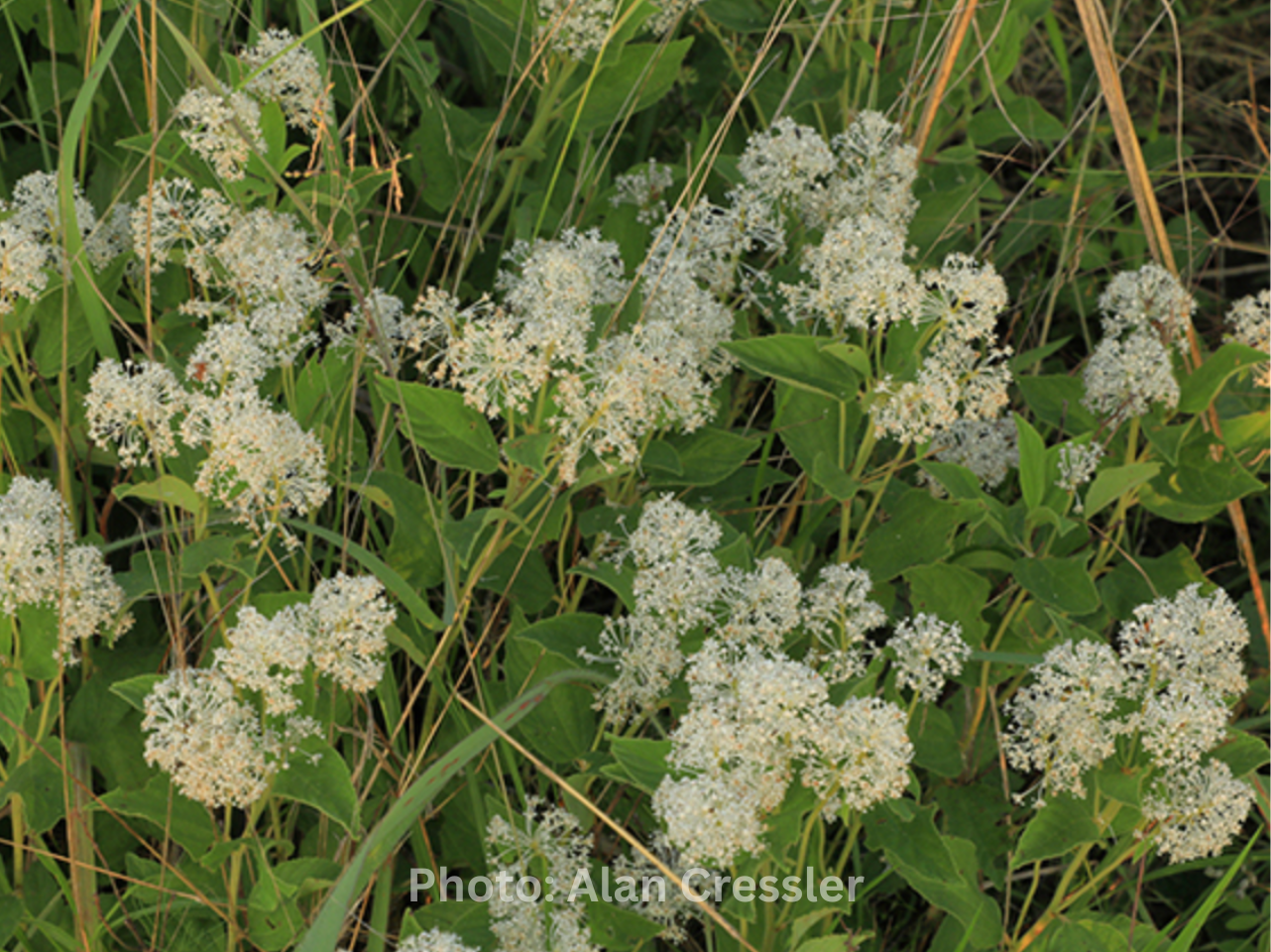 Image 3 of 3
*Please note these are seedling shrubs and are 2-3” tall.
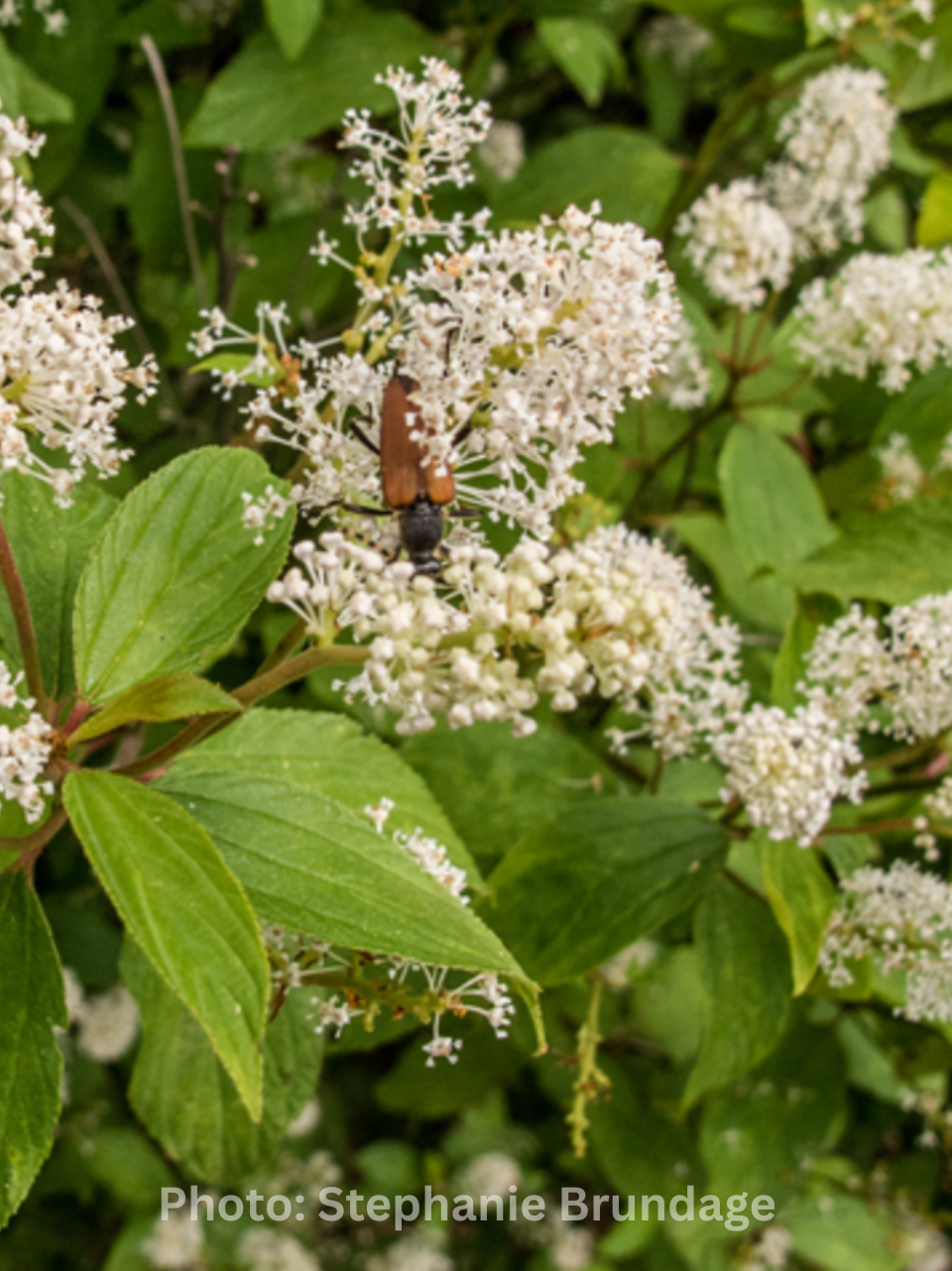
A wonderfully showy shrub, with many clusters of tiny white flowers. The Xerces Society has listed this species as having “Special Value to Native Bees” and “Supports Conservation Biological Control.” In addition to a variety of bees it feeds hummingbirds, turkeys, and quail. Unfortunately, deer enjoy browsing on New Jersey tea - protection may be necessary.
“This native plant has a lot of historic applications: Native Americans used the roots, flowers, and foliage for a variety of purposes. After the Boston Tea Party, many American colonists steeped its leaves as a flavorful (albeit caffeine-free) alternative to imported tea. This is where the common name, New Jersey Tea, originates.” - Prairie Moon Nursery
Native to Maine
Full sun to part shade
Medium to dry soils
Grows up to 3' tall and 6' wide
Blooms in June, July and August
Deciduous shrub
*Please note these are seedling shrubs and are 2-3” tall.
A wonderfully showy shrub, with many clusters of tiny white flowers. The Xerces Society has listed this species as having “Special Value to Native Bees” and “Supports Conservation Biological Control.” In addition to a variety of bees it feeds hummingbirds, turkeys, and quail. Unfortunately, deer enjoy browsing on New Jersey tea - protection may be necessary.
“This native plant has a lot of historic applications: Native Americans used the roots, flowers, and foliage for a variety of purposes. After the Boston Tea Party, many American colonists steeped its leaves as a flavorful (albeit caffeine-free) alternative to imported tea. This is where the common name, New Jersey Tea, originates.” - Prairie Moon Nursery
Native to Maine
Full sun to part shade
Medium to dry soils
Grows up to 3' tall and 6' wide
Blooms in June, July and August
Deciduous shrub