
 Image 1 of 5
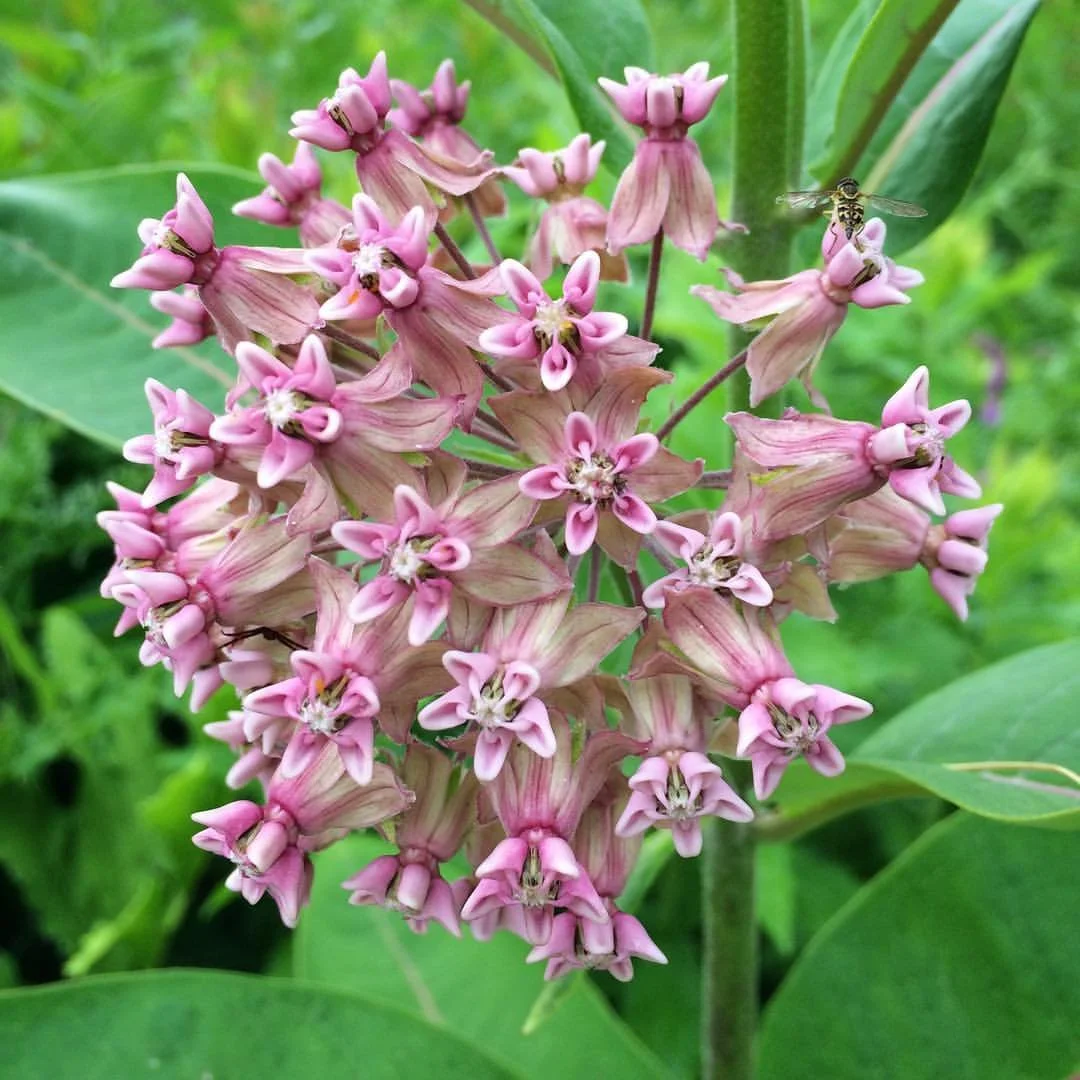 Image 2 of 5
 Image 3 of 5
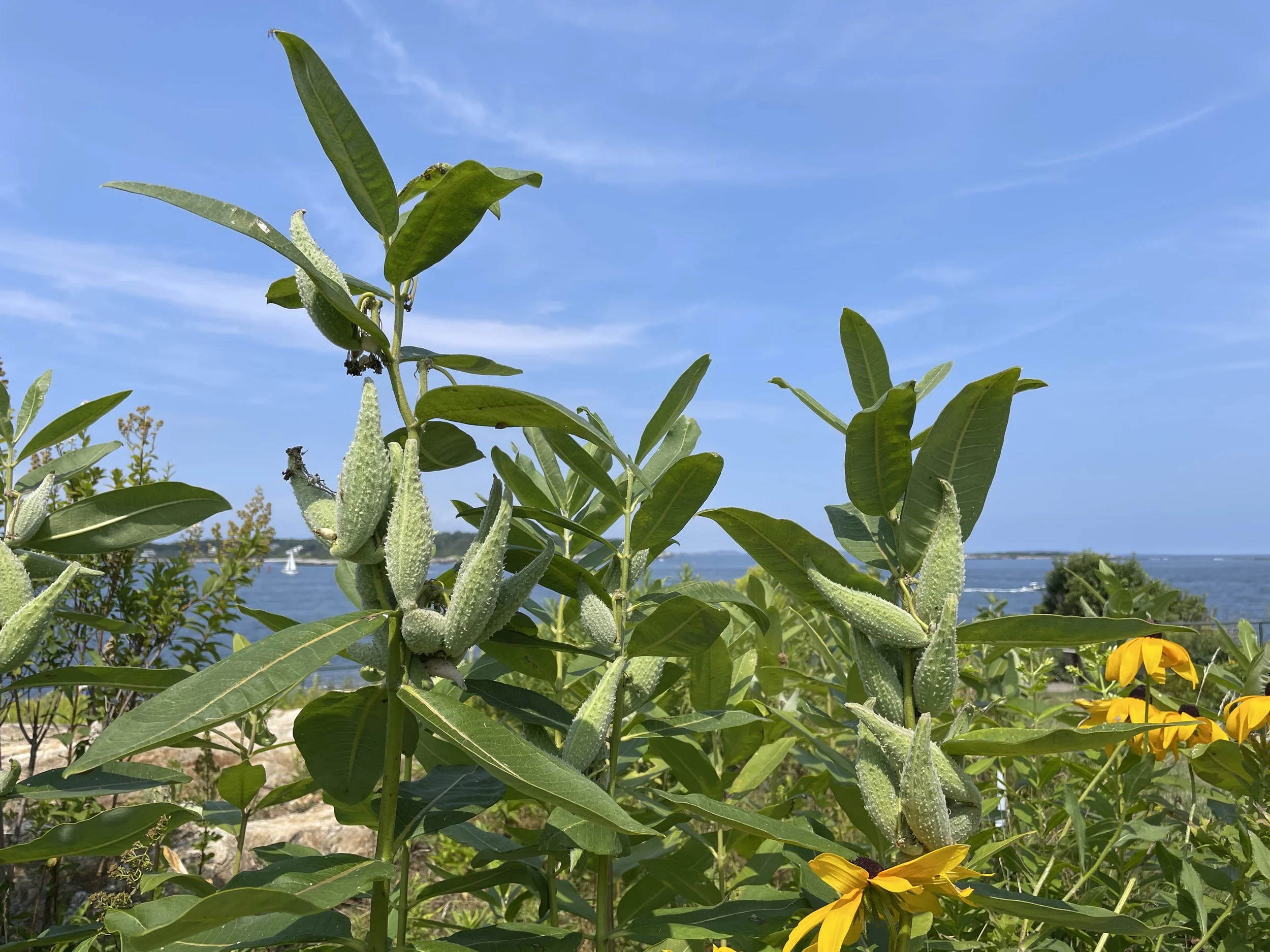 Image 4 of 5
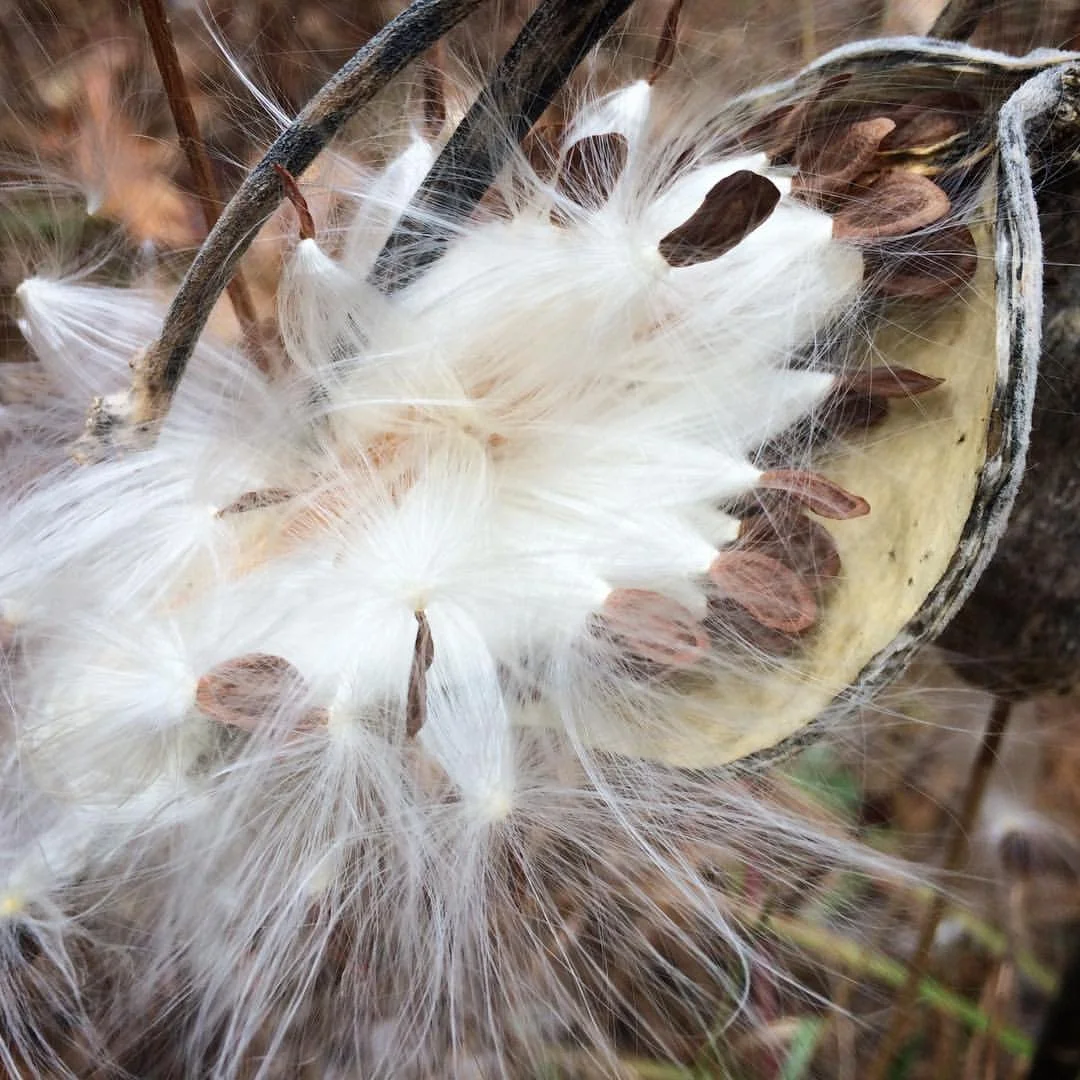 Image 5 of 5
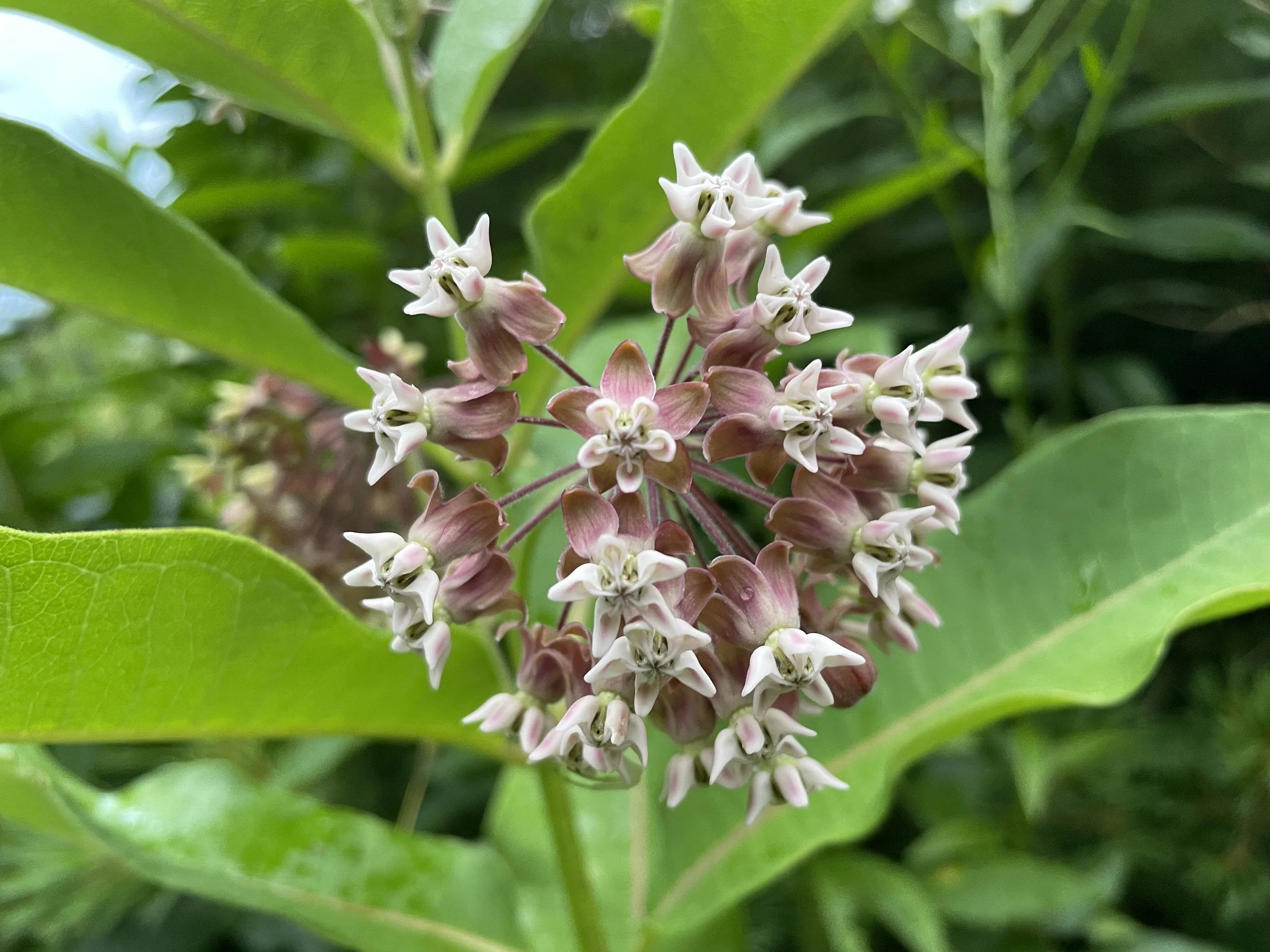
Grows best in full to part sun and thrives in dry to medium soils, but can grow in most soil conditions. Grows to 2’ up to 4’ in height. The blooming period lasts about 1-1½ months from early to mid-summer. It is a colonizer of disturbed areas in both natural and developed habitats. Primarily spreads vegetatively, rather than by seed.
Mammalian herbivores don't eat this plant because of the bitterness of the leaves and their toxic properties. Although, we have deer who enjoy eating our Common milkweed!
Milkweeds (Asclepias spp.) are the only food of the Monarch caterpillar. The flowers are very popular with many kinds of insects, especially long-tongued bees, wasps, flies, skippers, and butterflies, which seek nectar. Other insect visitors include short-tongued bees, various milkweed plant bugs, and moths, including Sphinx moths. In addition to the caterpillar of the Monarch Butterfly (Danaus plexippes), the caterpillars of a few moths feed on the foliage, including Enchaetes egle (Milkweed Tussock Moth), Cycnia inopinatus (Unexpected Cycnia), and Cycnia tenera (Delicate Cycnia). -Illinois Wildflowers
Native to Maine
Full to part sun
Dry to medium soils
Grows up to 2’-4’ tall
Blooms in summer
Herbaceous perennial
*Seed provenance: Maine Ecotype - wild collected in Damariscotta and Gorham
Grows best in full to part sun and thrives in dry to medium soils, but can grow in most soil conditions. Grows to 2’ up to 4’ in height. The blooming period lasts about 1-1½ months from early to mid-summer. It is a colonizer of disturbed areas in both natural and developed habitats. Primarily spreads vegetatively, rather than by seed.
Mammalian herbivores don't eat this plant because of the bitterness of the leaves and their toxic properties. Although, we have deer who enjoy eating our Common milkweed!
Milkweeds (Asclepias spp.) are the only food of the Monarch caterpillar. The flowers are very popular with many kinds of insects, especially long-tongued bees, wasps, flies, skippers, and butterflies, which seek nectar. Other insect visitors include short-tongued bees, various milkweed plant bugs, and moths, including Sphinx moths. In addition to the caterpillar of the Monarch Butterfly (Danaus plexippes), the caterpillars of a few moths feed on the foliage, including Enchaetes egle (Milkweed Tussock Moth), Cycnia inopinatus (Unexpected Cycnia), and Cycnia tenera (Delicate Cycnia). -Illinois Wildflowers
Native to Maine
Full to part sun
Dry to medium soils
Grows up to 2’-4’ tall
Blooms in summer
Herbaceous perennial
*Seed provenance: Maine Ecotype - wild collected in Damariscotta and Gorham